
Realisation of the Truth or God.
In the Vedic and Upanishadic tradition, Saksatkara, the direct realisation of Truth or God, is not described as an external vision but as an inner awakening of one's true Self (Atman) — a state in which the seeker directly experiences Reality without doubt. Saksatkara comes through inner purification, meditation and grace, not mere study.
According to Vedic wisdom, saksatkara is direct experience, not belief. It is a permanent inner transformation, not a passing vision, and it brings deep peace, fearlessness, detachment, and universal love. In other words, it is experiencing your true Self as one with Brahman, not imagination, not emotion, but clear inner seeing.
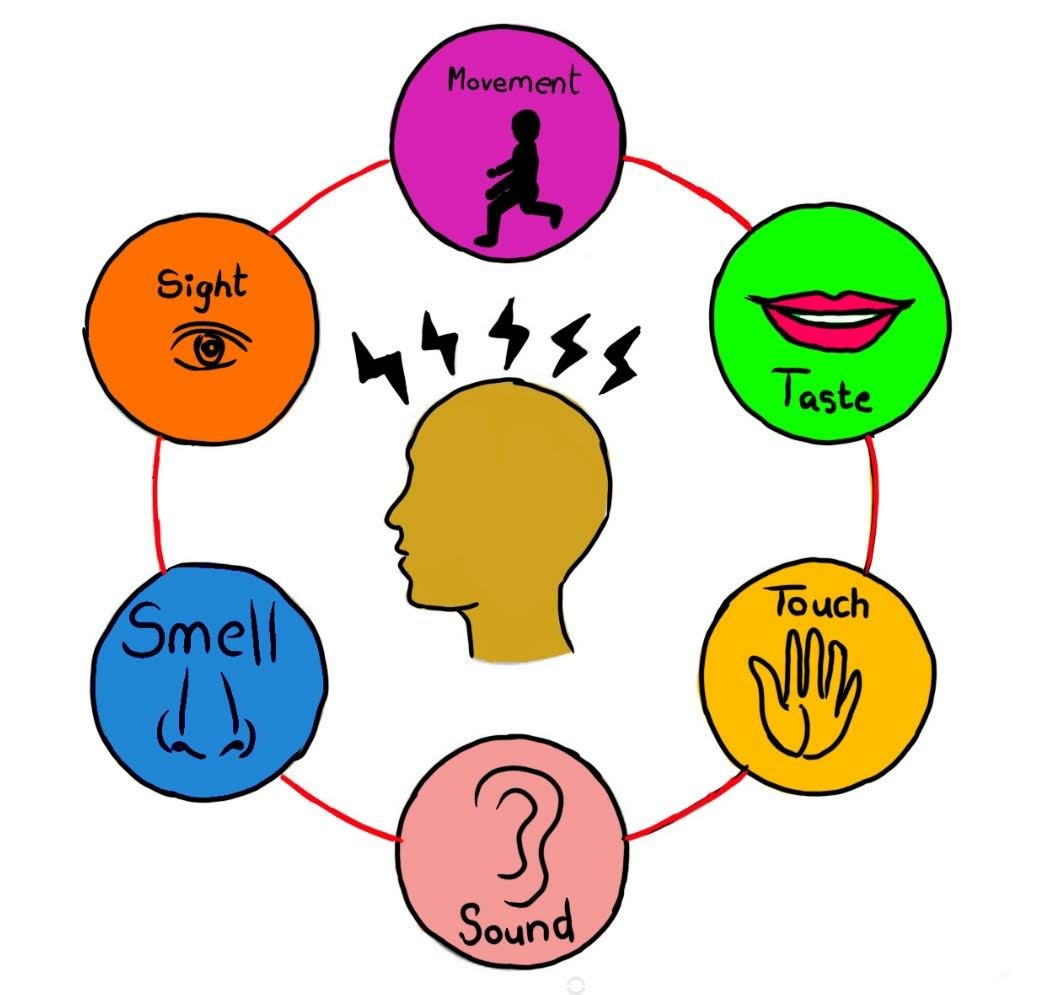
Brihadaranyaka Upanishad teaches that Brahman cannot be limited. Anything we can see, think, or describe is limited. But Brahman is infinite and beyond all qualities. So, the sages say 'not the body, not the mind, not the senses and not even thoughts. "Neti, Neti" removes all wrong identifications.
Lord Sri Krishna in the Bhagavat Gita Chapter 6, verse 20 teaches us:
'Yatroparamate chittam niruddham yoga-sevaya
yatra chaivatmanatmanam pashyann atmani tushyati'
When the mind, restrained from material activities, becomes still by the practice of Yoga, then the Yogi can behold the Soul through the purified mind, and he rejoices in the inner joy.
Having presented the process of meditation and the state of its perfection, Sri Krishna now reveals the results of such endeavours. When the mind is purified, one is able to perceive the self as distinct from the body, mind, and intellect. When the mind is unclean, it obscures perception of the soul and any acquired scriptural knowledge of the Atma is only at the theoretical level. But when the mind becomes pure, the Soul is directly perceived through realisation.
In this aspect, Sri Ramchandraji, founder of Sahaj Marg, emphasises that:
All the religions in the world have prescribed one way or the other for the realisation of God--the Immaterial Absolute. They have also given higher ideals of life and most of the people have begun to follow them. As time went on, they began to peep into other sides as well, because the scythe of time brought about these changes in them. The environments of the living world began to attract them, and the necessities of life compelled them to take the other course. Arts and crafts also developed and deities of different sorts were carved out by the artists under the name of different gods and people worshipped them.
The wise men of the times, to start with, had to prescribe those modes of worship that may, ultimately, take them to Yoga--the sure shot of realisation. But, according to the laws of Nature, devolution follows evolution and vice versa. Their minds did not travel further to the real side with the result that the images became personified God. The way of worship is forgotten, the outcome of which we see even this day. Grossness has developed to the extent that it has become an impediment to the Divine Grace. The higher approaches are not possible if the accumulation of grossness continues. The beauty of the Sahaj Marg System is that it cleans the grossness for His Grace to descend. But, in case the accumulation of grossness is there, an abhyasi falters and lingers at each step.
Another difficulty that comes in the way is that the people of this age have begun to fear Yoga because, whenever there is a talk of Yoga, their mind is diverted towards Hath Yoga, deep breathing, and so on which might have harmed so many. (Haha Yoga can be understood as a part( or supporting branch) of Raja Yoga, but not exactly identical. It emphasises physical techniues, primarily focusing on postures(asanas) and breathing exercises (pranayama), This practice aims to create harmony between the body and mind, making it accessible for beginners and those looking for a gentle approach to yoga.)
Several persons did not want to test the efficacy of the Sahaj Marg System, the remodelled system of Raj Yoga {Raja Yoga, taught by Patanjali in the Yoga Sutras, is the path of mastering the mind (Chitta) to attain inner peace and union with the Divine). When the thoughts become still, true inner peace and Divine experience arise. It is not merely physical exercise, it is mental, moral and spiritual discipline. "Master the mind, and you master life". Astanga Yoga is a part of Raja Yoga and it follows eight steps: 1.Yama--Moral discipline (truth non-violence), 2. Niyama--Personal discipline (cleanliness, contentment), 3.Asana-Steady posture, 4.Pranayama--Breath regulation, 5.Pratyahara--Withdrawal from distractions, 6.Dharana--Concentration, 7. Dhyana--Meditation.8.Samadhi--Union with the Divine} because they are satisfied with what they do. Due to their habits, they feel satisfaction in the worship they do out of their avowed method. They take it to be the spiritual improvement, which is really not there. They take satisfaction as peace. But satisfaction relates to the senses of a grosser type, while peace is close to the soul. If this worship is neglected for a day, they feel restless. But if the peace is there, there is no question of restlessness. As we develop in spirituality, the nature of peace also changes and, in the end, non-peace peace is the result. If we want to advance in Spirituality, we should begin from Infinity in finiteness. In this way, we establish a relation with the Real Being.
Our next step will be that we may begin to absorb ourselves in Infinity as the idea of finiteness will be washed away. Now, the door is open, and we have come to the path. When finiteness is dissipated from the mind, the way lies clear. We proceed in the Infinite and to the Infinite, with the result that even the idea of the Infinite cannot pop up. Now Reality dawns. Further on, when we jump into Reality, the play ends, and the scene begins. But this is not the end. Go on and on. Not only this, not only this--neti, neti.
Source : Commentary on the Bhagavat Gita by Swamy Mukundananda.


Comments